Market / Trends

Trends

Market trend intelligence tracks cloud service, regional ISP, national telecom, data centre, and institutional infrastructure signals across global internet infrastructure markets.

GlobalNorth AmericaEurope and Middle EastAsia-PacificLatin America and CaribbeanAfrica
Trends signal visual
Market / TrendsTrends

Context

Cloud build-out in two operating files

Two earlier trend files show how cloud demand turns into local capacity, energy and support constraints.

Cloud services

Latest Coverage

Latest from Trends

13,202 articles

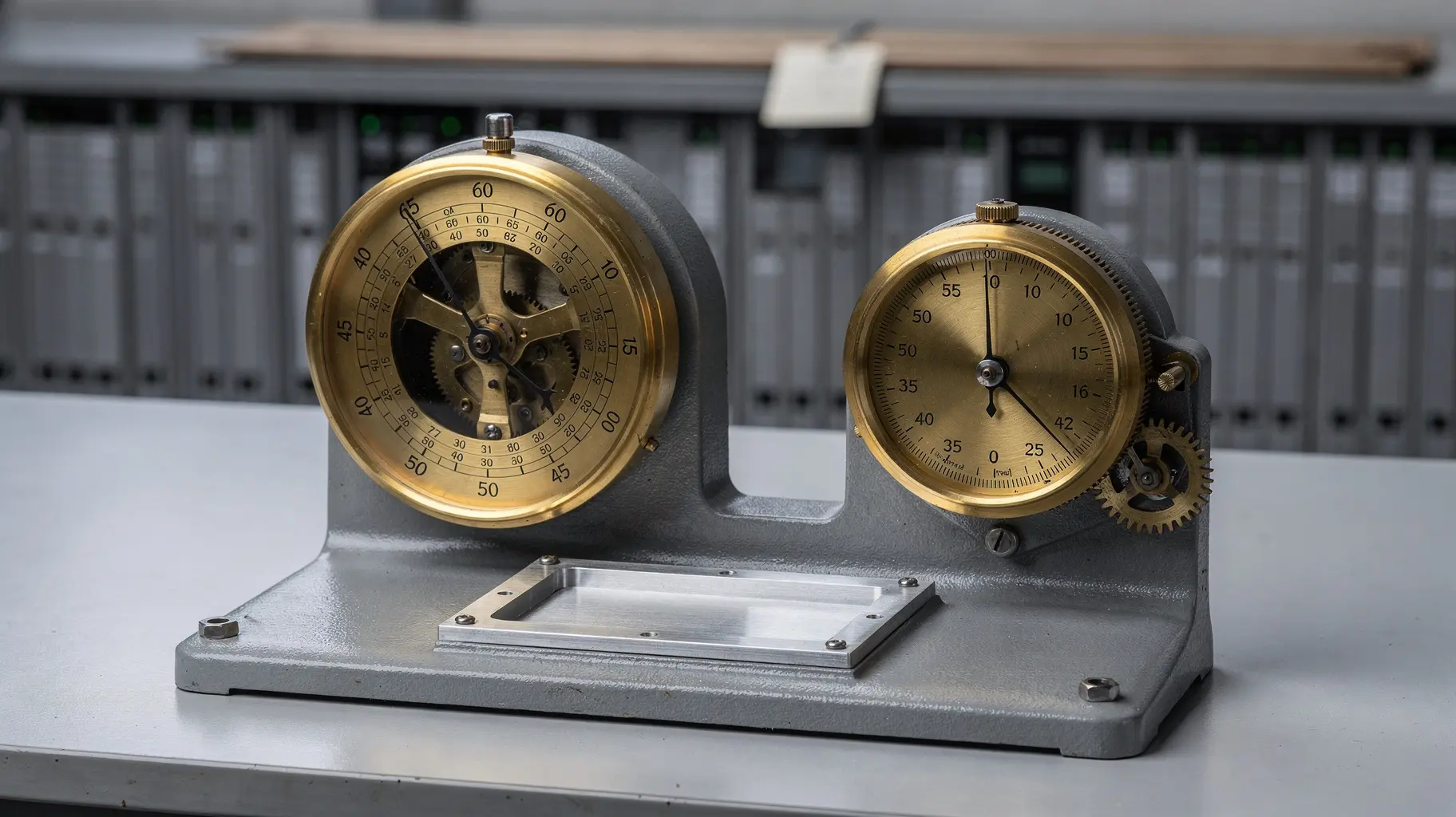
Two brass percentage dials on one cast-iron instrument bench: a large dial driven by a twelve-month counting drum, a smaller dial near 65 driven by a fine hourly escapement, and between them a machined recess with four empty threaded holes where a plate was never fitted.

Global Datacenter Trends

Google's 100% Fits in a Year. Its 65% Fits in an Hour. Only One of Them Ships With a Receipt.

The same company, the same accounting year, two clean-electricity percentages 35 points apart — and neither one is a mistake. One is a purchase match summed over twelve months. The other is an hourly, grid-by-grid share whose weights I could not find printed anywhere in the…
Nov 20, 2026
A schematic ruled filing cover sheet with one date line inked over and the line beside it left blank.

North America Institutional Trends

The four-day clock that starts on a date nobody prints

Item 1.05 of Form 8-K gives a company four business days to report a material cyber incident, counted from a materiality judgment the company makes privately and no form field asks it to date. Three filings read at their EDGAR addresses show what the record actually keeps…
Nov 20, 2026
Symbolic illustration of three telecom tower masts at dusk above a ledger sheet on which a ruler measures only the nearest quarter of the page

Africa National Telecom Trends

Helios Towers Held Its Leverage at 3.4x While Its Debt Went Up

Six months added US$50.1 million of net debt to Helios Towers and the leverage ratio did not move a tenth. Nothing about that is sleight of hand: two definitions stated plainly in the company's own papers do the work — a denominator built by multiplying a single quarter by four…
Nov 19, 2026
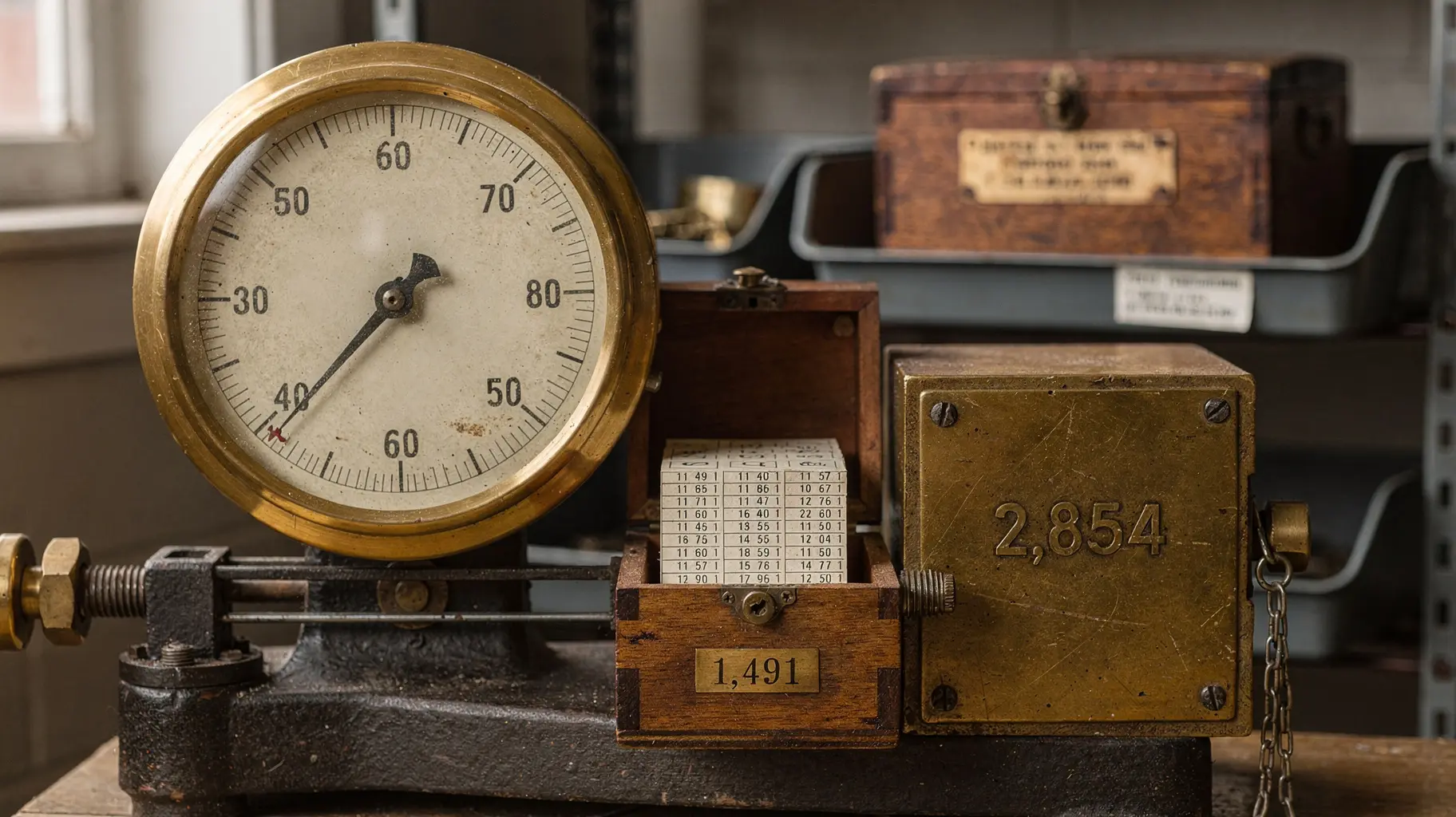
A brass percentage dial with its needle resting at 78, fed by a narrow rail from one wooden survey box of tally slips marked 1,491, while a heavier engraved plate reading 2,854 is bolted to the same cast-iron base with an empty threaded hole where a linkage pin would join it to the dial.

Global Institutional Trends

Stanford's 78% is a respondent share, and the base it prints is not its own

The AI Index reports that 78% of surveyed respondents say their organisation uses AI in at least one function, and sources the chart to McKinsey. It also prints a 2,854-respondent base that belongs to two surveys — while the July 2024 survey behind the 78% drew 1,491 people.
Nov 19, 2026
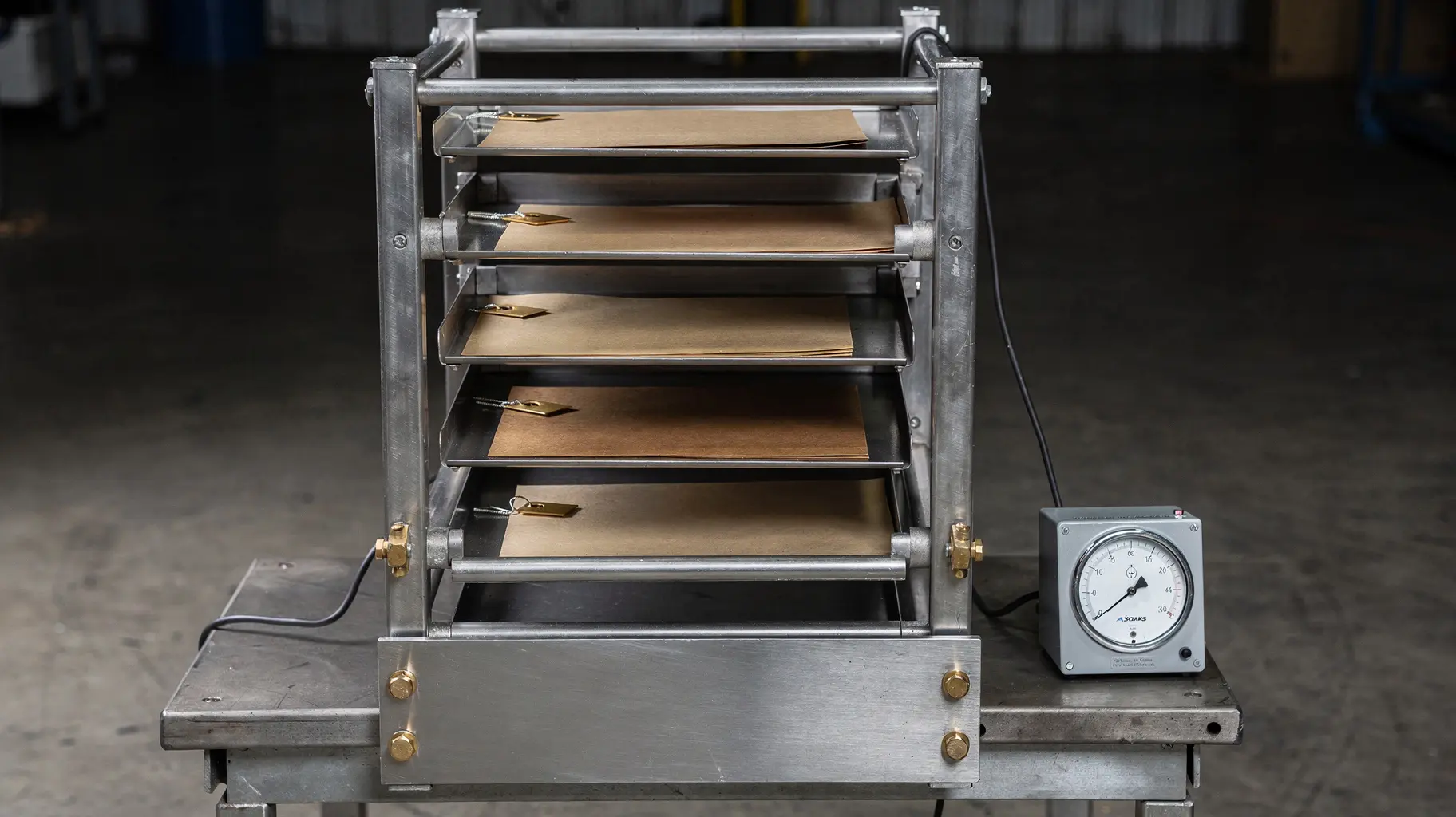
A tall steel grading rack of seven shallow trays, each holding a signed paper form; a machined three-year gate spans the fourth rung and a single cable runs down to an analogue meter whose needle rests barely off the zero pin.

Asia-Pacific Datacenter Trends

AEMO's 67 GW of Data Centres Is a Grade, Not a Meter

The Australian Energy Market Operator published a forecast carrying 225 data-centre projects with 67 GW of combined capacity. In the same forecast it published its own finding that more than 40 per cent of data-centre projects since 2025 had dropped out or regressed in connection…

Nov 19, 2026
Overhead photograph of an open, worn, cloth-bound ledger on a dark steel-grey desk: the left page carries a column of small printed percentage figures, 10% through 60%, the right page carries two heavy vertical bar columns with thick irregular ticks, and between them runs an empty ruled gutter. A steel straightedge lies diagonally across the left page and the gutter, its end touching the left bar column, and a small round-faced analogue electricity meter with printed scale figures sits beside the book, an unbranded pencil stub at the frame edge.

Europe and Middle East Datacenter Trends

The 22% and the 10 MVA never meet

Ireland publishes a data-centre share of electricity against three differently named denominators, and decides which connections may proceed on a fourth quantity that appears in none of them. The missing document is one row: a meter point, a facility, and the maximum import…
Nov 19, 2026
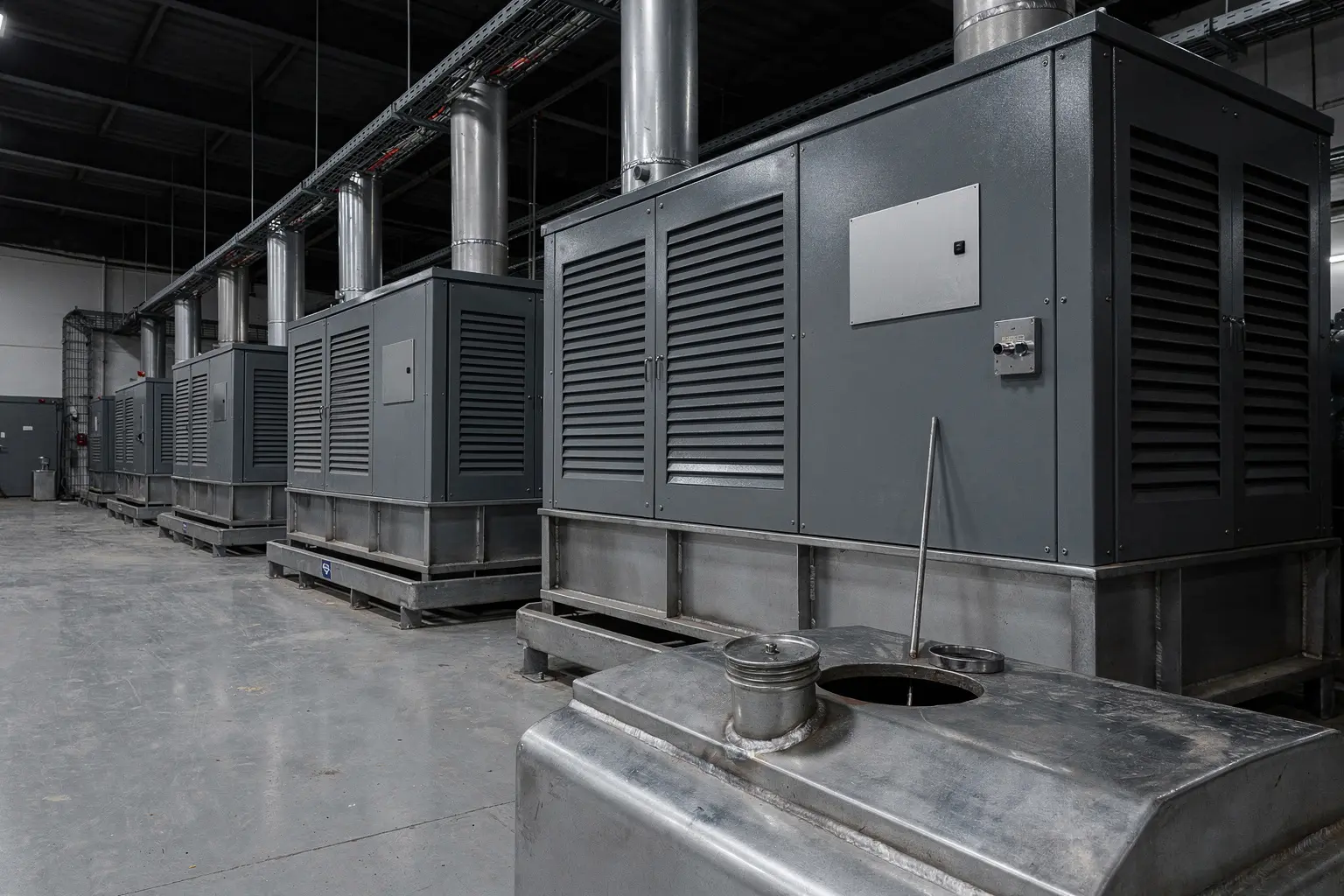
A row of heavy grey diesel generator enclosures in a machine hall, each with a double-skinned steel belly tank beneath it, one tank's round fill port open with an unmarked metal dipstick leaning beside it and a blank steel plate bolted to the nearest unit.

Europe and Middle East Datacenter Trends

Two hundred hours a year, forty-eight hours of fuel

Ireland's environmental regulator licensed a Microsoft data-centre campus with ninety-five diesel generators, and the permit counts the hours they may burn. The hours they can actually run on the fuel they hold sit in the applicant's own report, qualified to 75 percent of…
Nov 19, 2026
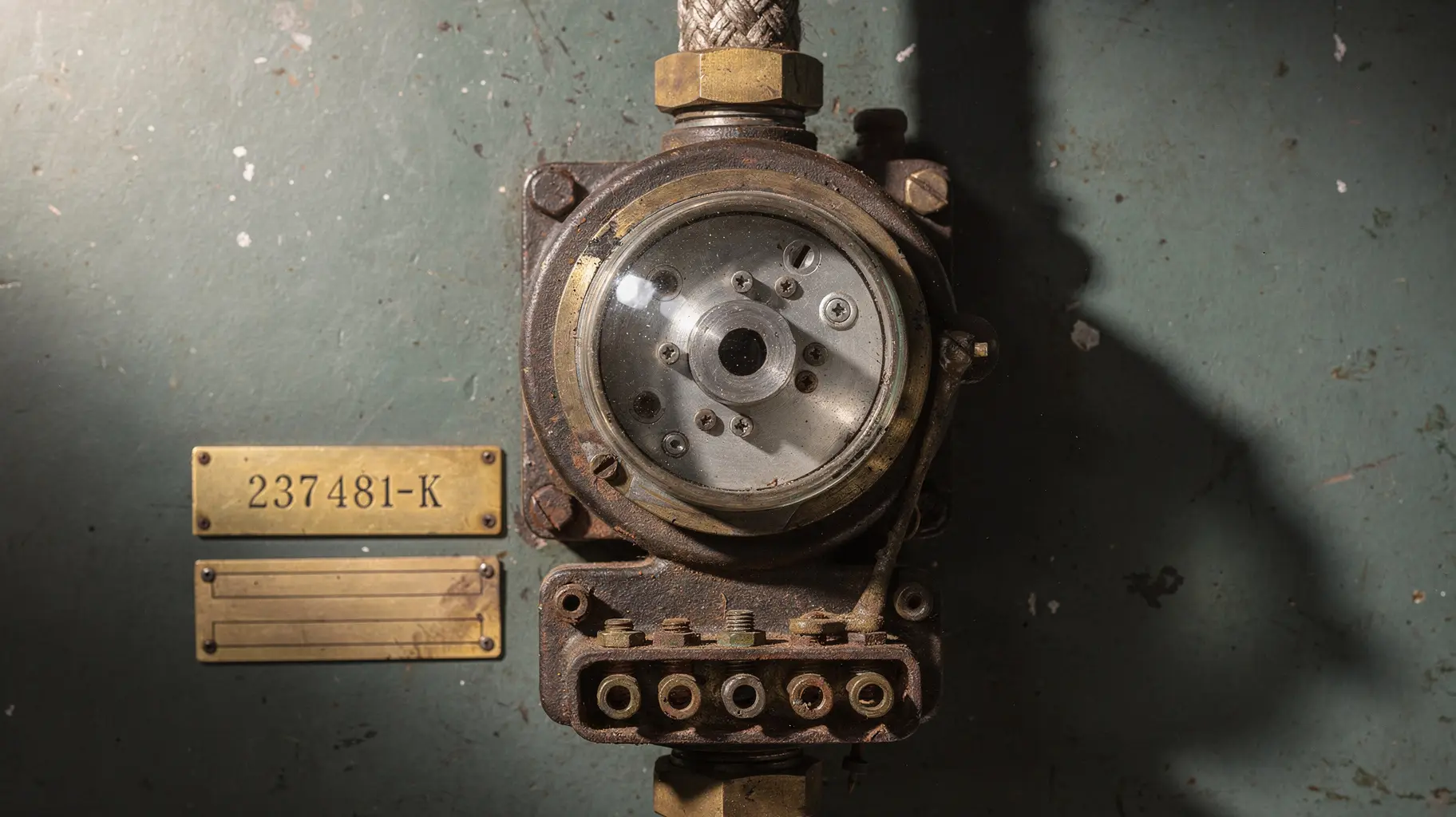
A cast-iron and brass industrial meter mounted on a workshop wall: every dial pointer is present but the counter drum has been lifted out, leaving an empty machined socket, with one stamped brass plate above and a blank brass plate below.

Global Datacenter Trends

Vertiv's book-to-bill went out at 2.9x, and the orders series with it

On 11 February 2026 Vertiv furnished a quarterly exhibit that printed a book-to-bill ratio of about 2.9x and a backlog of $15.0 billion, up 109%. On the same day's earnings call, management said it would stop reporting actual orders, orders forecast and backlog with quarterly…
Nov 19, 2026
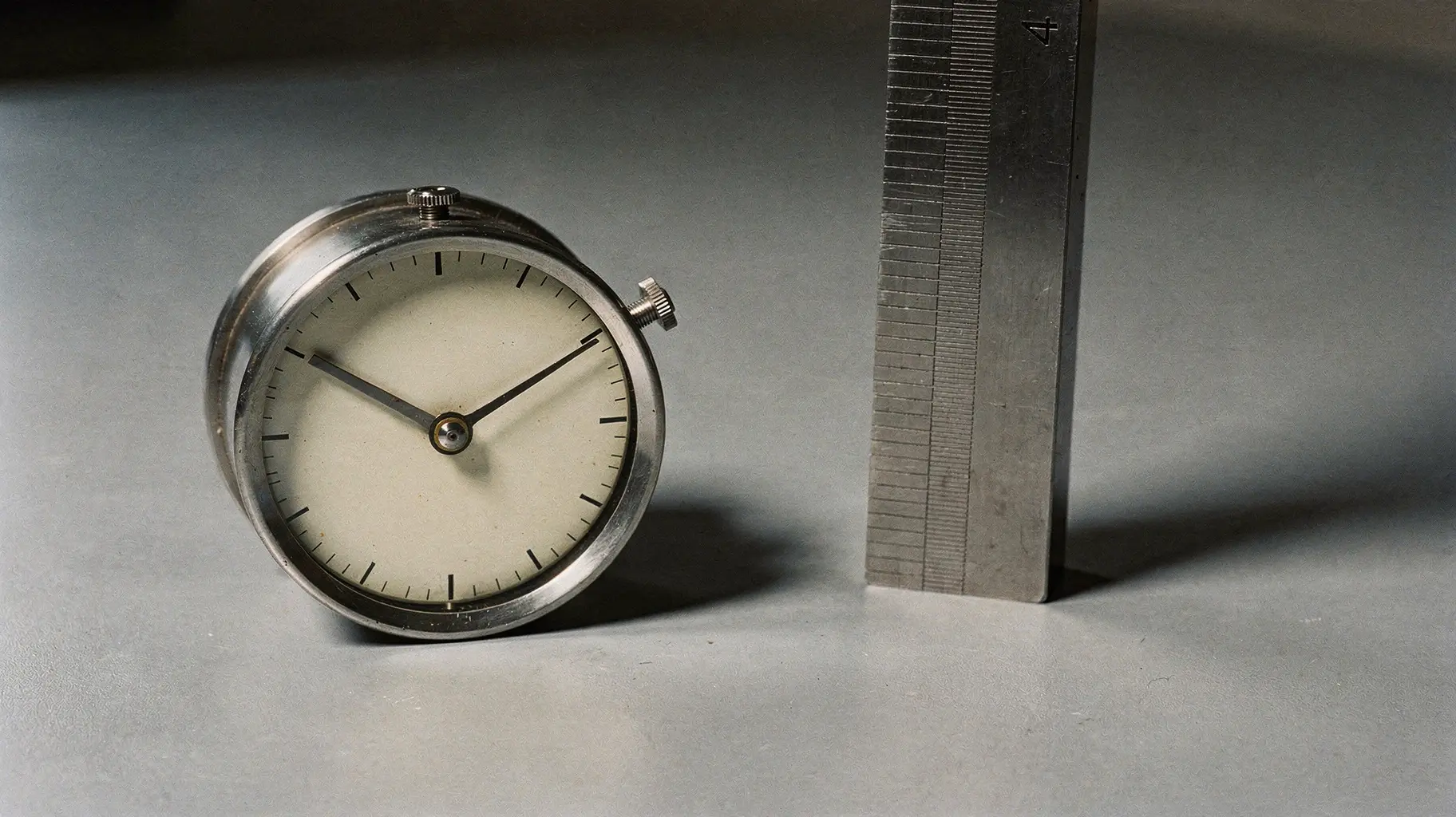
A still life on a matte grey surface under one hard light from the left: two metal instruments side by side, each casting a long shadow to the right. On the left, an open-faced timer with two slender dark hands and a pale dial face marked only by fine tick marks around its rim and a small triangle index at the top. On the right, a tall narrow gauge engraved with evenly spaced graduations and no pointer or hand of any kind.

North America Institutional Trends

The bank gets a deadline. The vendor gets a stopwatch.

The interagency computer-security notification rule gives a US bank 36 hours to tell its regulator — a clock that starts when the bank itself decides it has. The same rule times the bank's service providers with a four-hour threshold and no deadline at all. Both numbers are…
Nov 19, 2026
Editorial ink-and-wash illustration: on a drafting desk, a row of mechanical dial faces marked only with tick arcs sits along one horizontal brass shaft whose right end runs into a human hand in a white shirt cuff that grips and turns it; to their left, separated by bare desk, a machined circular socket sits empty with no face mounted in it and no hands, and a single small brass lever lies across its opening; behind the desk an open steel drawer holds blank case-file tabs with no writing on them.

Europe and Middle East Institutional Trends

The Regulator Gets the Clock, the Buyer Gets a Verb

A manufacturer learns at nine in the morning that someone is exploiting a hole in a product it has already sold. Article 14 of the Cyber Resilience Act starts three clocks that day, and every one of them runs off something the manufacturer itself does. The duty owed to the people…
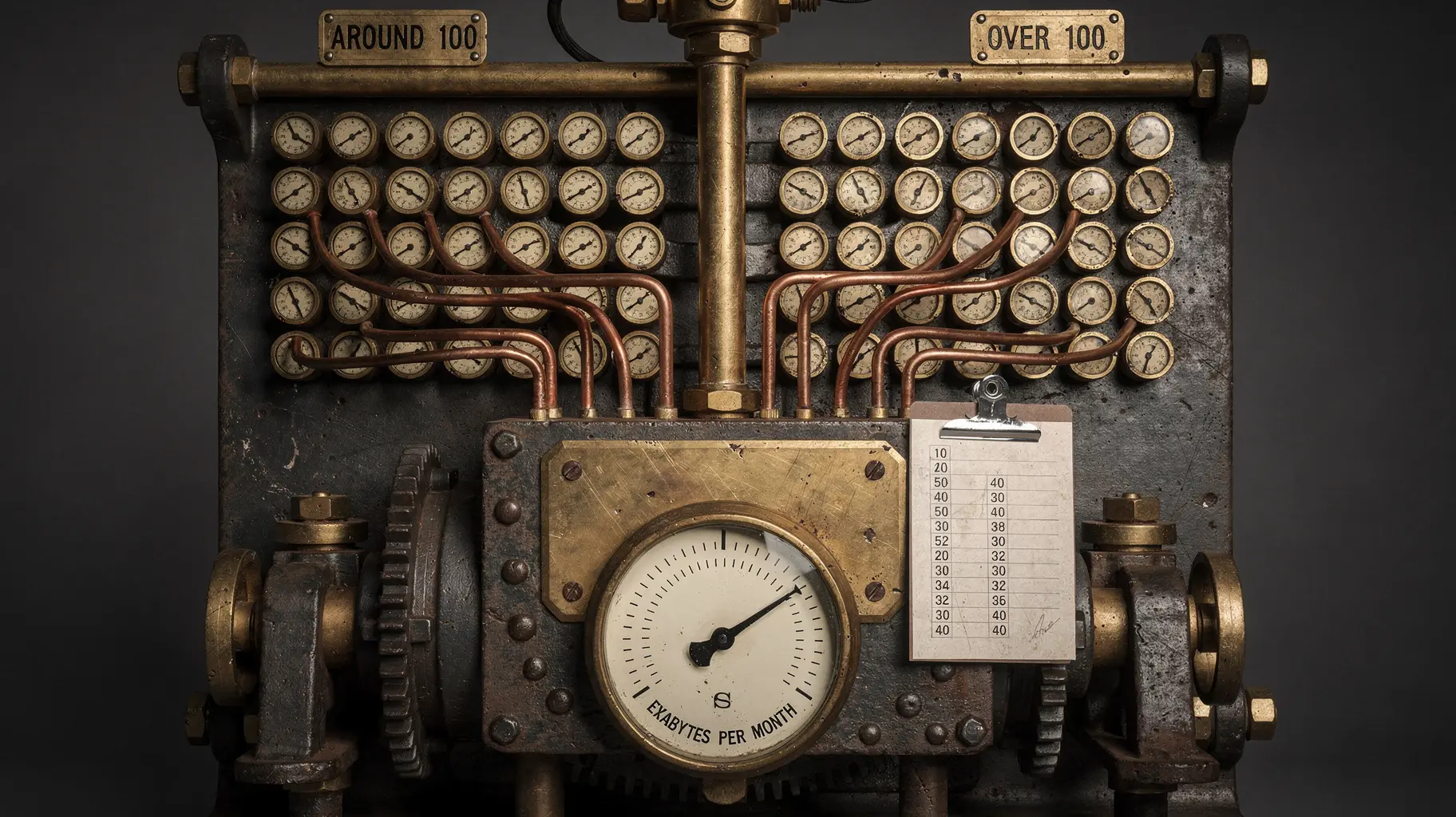
Nov 19, 2026
A cast-iron and brass metering console: one hundred small brass metering ports with fine dials, their copper tubes converging into a sealed riveted housing that drives a single large enamelled dial in monthly exabytes, with a blank drilled brass plate where a ratio plate would be screwed and two upper nameplates of different vintage reading AROUND 100 and OVER 100.

Global Institutional Trends

A hundred networks, then the world: Ericsson's unpublished step

Ericsson's quarterly report tells you how many networks it measures and then tells you the total for the planet. Between those two sentences sits an arithmetic step the June 2026 methodology does not print.

Nov 19, 2026
A dim records room: a mid-century mechanical adding machine on a steel desk feeds a paper tape marked only with faint illegible scribbles; two unmarked clock faces on the wall stand at different times; an open filing cabinet holds a thick envelope sealed in red wax; and a glazed window frames an out-of-focus grey bar chart with no labels or axes.

North America Institutional Trends

The outage clock starts at a number the carrier writes

47 CFR Part 4 does not ask how big a provider is. It asks how many minutes its network has taken away, multiplies that by a population the provider estimates, and files the answer under a confidentiality presumption.
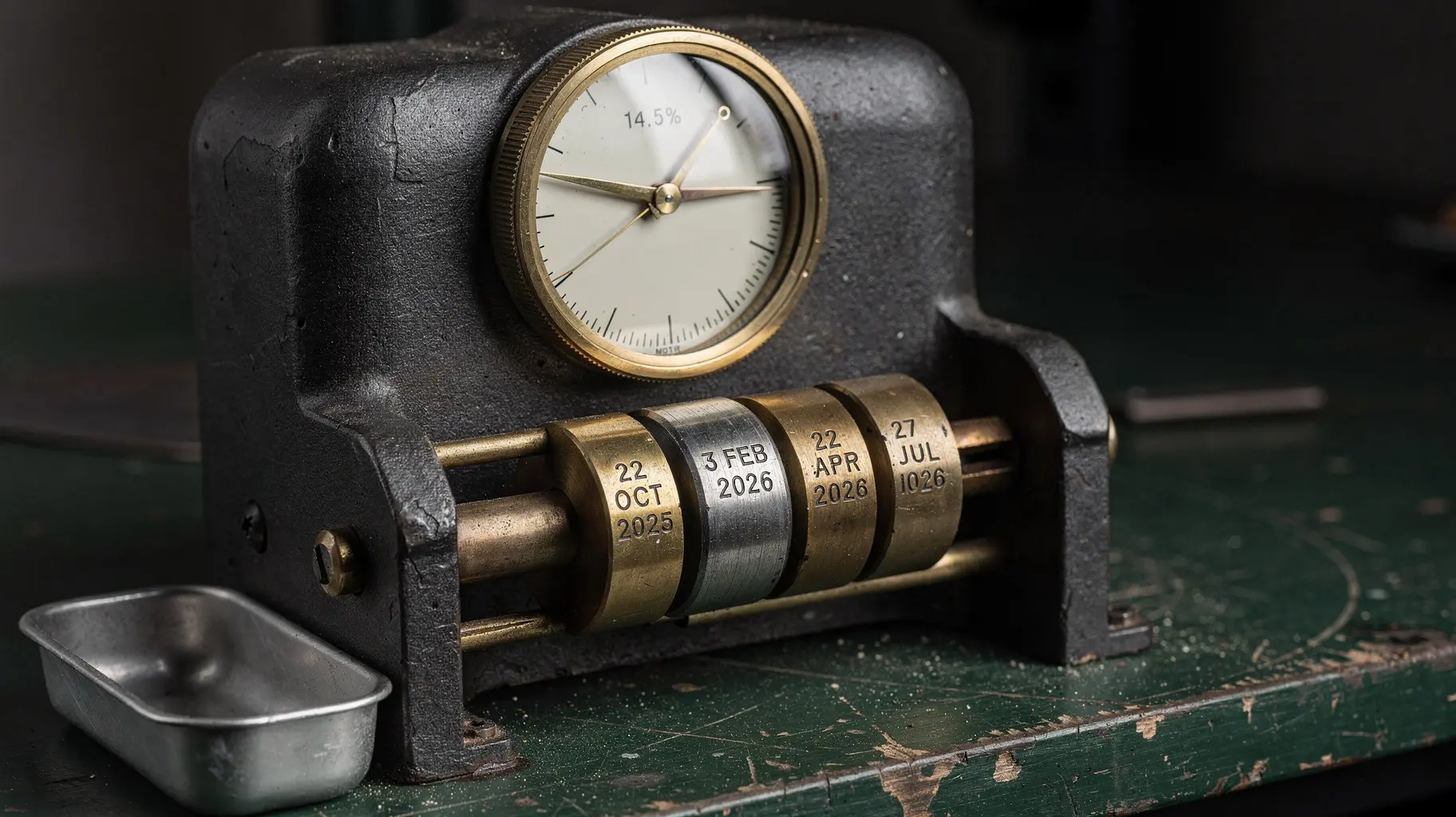
Nov 19, 2026
A cast-iron and brass forecast instrument on a steel bench: a large percentage readout divided by one engraved hairline, four dated metal collars pressed onto a sliding denominator shaft, a chute of memory modules feeding the numerator side, and a bolted access panel whose frosted window holds an unreadable fine scale behind a blank brass plate.

Global Cloud Services Trends

Gartner's 14.5% Is a Dollar Figure With Memory Prices Inside

Five editions of the same calendar year, $306.9 billion apart, and every table closes exactly to its own printed total. Whether the addition is right is not the interesting question. What the growth column is denominated in is.
Nov 19, 2026
An empty concrete plant room with a wide ungraduated steel measuring bar bolted across the far wall and a single blank brass nameplate holder beneath it, with no plate fitted.

North America Datacenter Trends

PJM gave the data centre a name. The number was already fixed.

On 9 October 2026 the US Federal Energy Regulatory Commission accepted PJM's register of large loads and refused every instrument that would have let those loads leave, or shrink, the capacity obligation they feed. The quantity they pay on had been posted more than a year earlier…
Nov 18, 2026
An empty galvanised queue rail on two plain uprights in a bare concrete hall, with five blank unengraved brass plate holders bolted along it and a single unprinted sheet on the floor.

Europe and Middle East Datacenter Trends

The Dutch queue has a price column, and your data centre is not in it

TenneT publishes a patient explanation of what happens when a high-voltage grid fills up: a waiting list forms, the first in line takes transport capacity first as congestion management or new investment frees it, and inside each priority category the order follows the date of…
Nov 18, 2026
A cast-steel laboratory metering bench: a chart recorder printing only a shaded grey band between brass end-stops, beside a geared brass converter whose 50 per cent dial drives a graduated output dial carrying no unit letters, above two brass plates both stamped 2014 with different numerals and an open empty drawer.

North America Datacenter Trends

The 74–132 GW data-centre band is a division, not a measurement

Lawrence Berkeley National Laboratory prints 176 TWh for 2023 and a 325–580 TWh envelope for 2028. The gigawatt figure beside it is that envelope divided by 4,380 assumed full-load hours — and the same edition carries two different baselines for 2014.
Nov 18, 2026
Four deep-navy clock faces strung on a single chain: three anchors rise from an iron bracket held inside the frame, one comes down from a bolt outside it, and a faint second path skirts around one of the bounds.

Europe and Middle East Institutional Trends

DORA's deadline chain starts with the firm's own verdict

Europe's incident-reporting rule is retold as a four-hour deadline. The delegated act says something narrower and stranger: four hours from the firm's own classification as major, 24 hours from the moment it became aware — and, for the firm that classifies after that outer bound…

Nov 18, 2026
A bare grey steel counter in flat daylight holding an open manila folder with one blank sheet, and beside it a heavy industrial knife-switch on a galvanised backplate with its lever thrown fully open.

Europe and Middle East Regional ISP Trends

The most valuable permit in Europe is a silence, and a state may switch it off

Regulation (EU) 2024/1309 handed Europe three clocks and one asymmetry. Two of the clocks end in a document anyone can read: a written refusal, or a binding dispute decision a national body is obliged to publish. The third ends in the granting authority saying nothing — which the…
Nov 18, 2026
A five-tier cast-steel cabinet in a data-centre service corridor: the top compartment, engraved 100–500, is welded shut and empty, four open compartments stand below it, and a brass nameplate riveted to the cabinet face reads 500 kW. On a bench in front, a precision balance holds one blank cast-metal weight and a fully graduated dial that carries no unit symbol.

Europe and Middle East Datacenter Trends

The EU counts data centres from 500 kW. Its smallest published class starts at 100.

A delegated act decides who belongs to Europe's first data-centre census before anybody reads a meter: the ticket is a nameplate figure of installed IT power, the return is filed by the operator the act regulates, and every individual facility's answers are sealed as commercial…
Nov 18, 2026
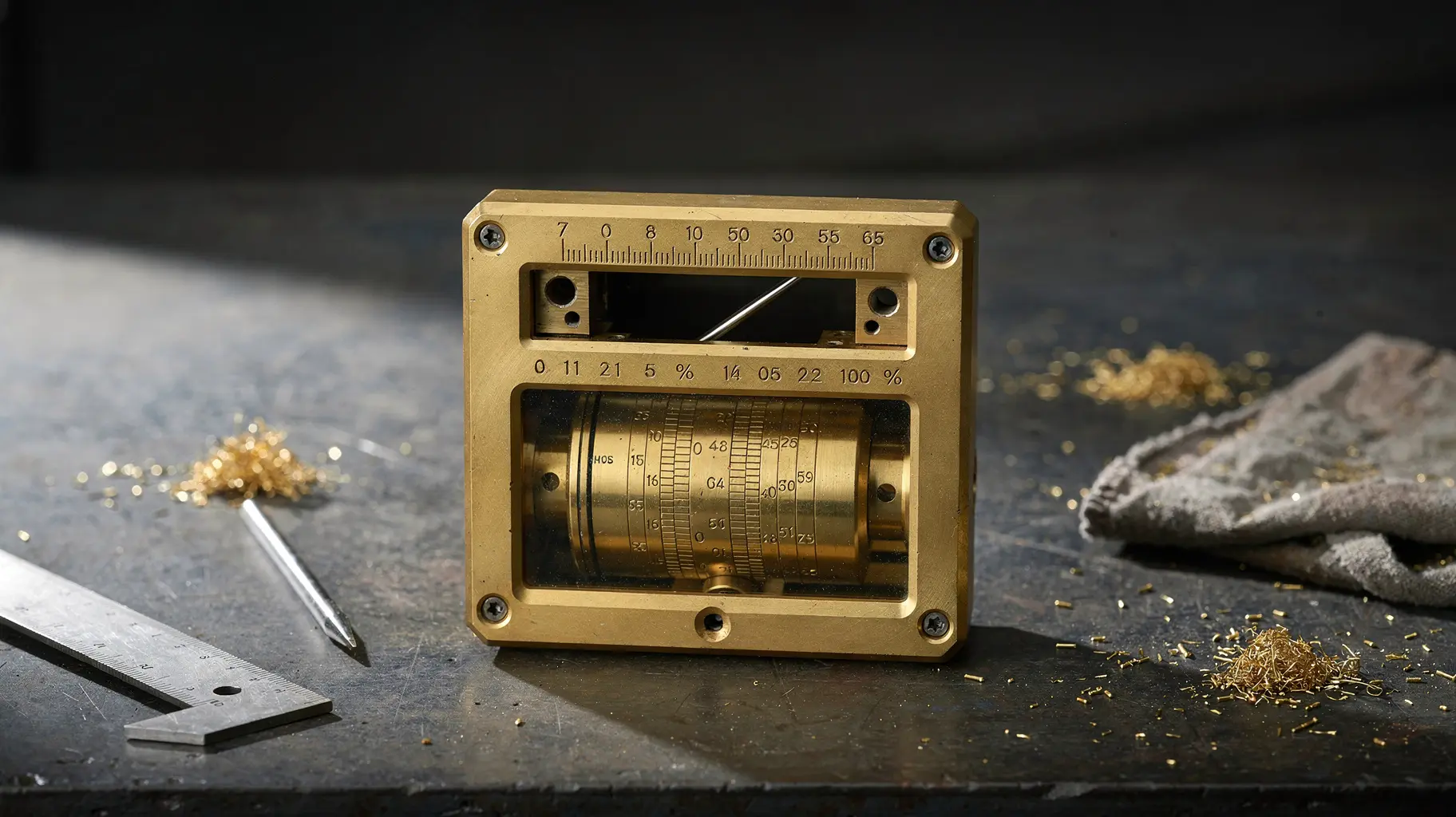
A heavy brass ratio meter on a dark steel bench: its lower counter drum is finely engraved with even graduations, while the upper drum is missing entirely, leaving a clean rectangular void with two empty bearing blocks, under a printed percentage scale whose needle rests just below ninety-five.

North America Datacenter Trends

Constellation's 94.7% Capacity Factor Has No Printed Numerator

A commentary page dated only by its own address puts 22 gigawatts and a 94.7% capacity factor side by side for 2025 and never prints a megawatt-hour. BTW's record of the legal person carrying that name still says no operator is confirmed.

Nov 18, 2026

Taxonomy

Trend Regions

Region

Global

Cross-region intelligence baseline and macro structural signals.

Region

North America

Execution speed, policy enforcement, and platform operating leverage.

Region

Asia-Pacific

IPv4 scarcity economics, scaling demand, and operational modernization.

Region

Africa

Governance normalization, infrastructure financing, and growth asymmetry.